
Less Clutter, More Focus: Executive Functioning Organization Tips
- Erin Carroll
- Nov 18, 2025
- 3 min read

A messy room might seem like a typical childhood phase, but for children with executive functioning challenges, it can be more than just clutter. Visual clutter competes for their attention, making it harder to focus, transition between tasks, and manage emotions. Understanding how the physical environment affects your child's brain can help create spaces that support their ability to think clearly and succeed.

How Visual Clutter Affects Executive Functioning
Executive functioning refers to the mental skills that help with planning, focusing attention, remembering instructions, and managing multiple tasks. When a child’s environment is filled with too many items, their brain has to work harder to filter out distractions. This can lead to:
Increased decision fatigue: Choosing what to focus on becomes exhausting when surrounded by too many objects.
Difficulty with transitions: Moving from one activity to another feels overwhelming when the environment is chaotic.
Emotional dysregulation: Visual overload can trigger frustration, anxiety, or irritability.
For example, a child trying to do homework in a room filled with toys, clothes, and art supplies may struggle to concentrate. Their brain is constantly pulled toward the clutter, making it harder to complete tasks efficiently.
Why Less Stuff Helps Your Child Think Better
Reducing clutter is not about making your home look like a minimalist showroom. It’s about creating mental space for your child’s brain to work well. When there are fewer distractions, your child can:
Focus more easily on tasks
Switch between activities with less stress
Feel calmer and more in control of their emotions
Think of it like cleaning a desk before starting work. A clear surface helps you find what you need and think more clearly. The same applies to your child’s environment.
Practical Steps to Reduce Visual Clutter
Creating calm spaces doesn’t require a complete overhaul. Small, consistent changes can make a big difference:
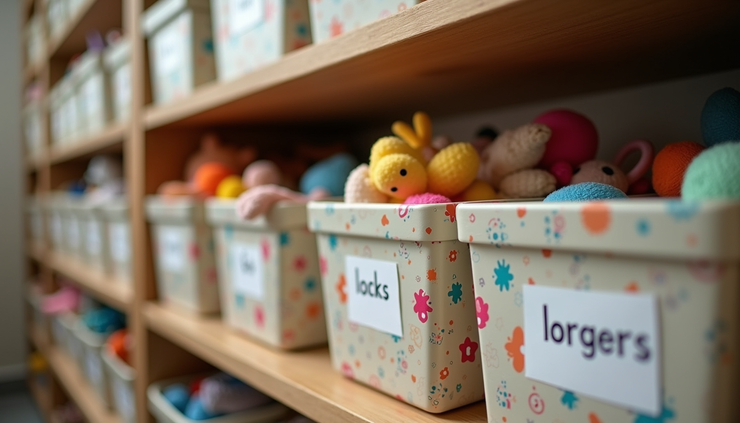
Designate specific areas for toys and supplies. Use labeled bins or shelves so your child knows where things belong.
Limit the number of items accessible at one time. Rotate toys and materials weekly to keep the environment fresh but manageable.
Create clear zones for different activities. For example, a quiet corner for reading and a separate table for crafts.
Use neutral or soft colors for storage containers and furniture. Bright colors can add to visual noise.
Involve your child in organizing. This builds their skills and ownership over their space.
Supporting Transitions with Environment
Transitions are often challenging for children with executive functioning difficulties. Visual clutter can make it harder to switch from playtime to homework or bedtime. To ease transitions:
Keep pathways clear and free of obstacles.
Use visual schedules or timers in the same space to signal changes.
Prepare the space ahead of time by tidying up before the next activity.
These strategies help your child anticipate what’s next and reduce overwhelm.
Emotional Benefits of a Calm Space
A cluttered environment can increase stress and frustration, especially for children who already struggle with self-regulation. When the space is orderly, children often feel:
More relaxed and secure
Better able to manage emotions
More confident in their ability to complete tasks
Parents report that children who have less visual clutter show improvements in mood and cooperation during homework and chores.


Comments